
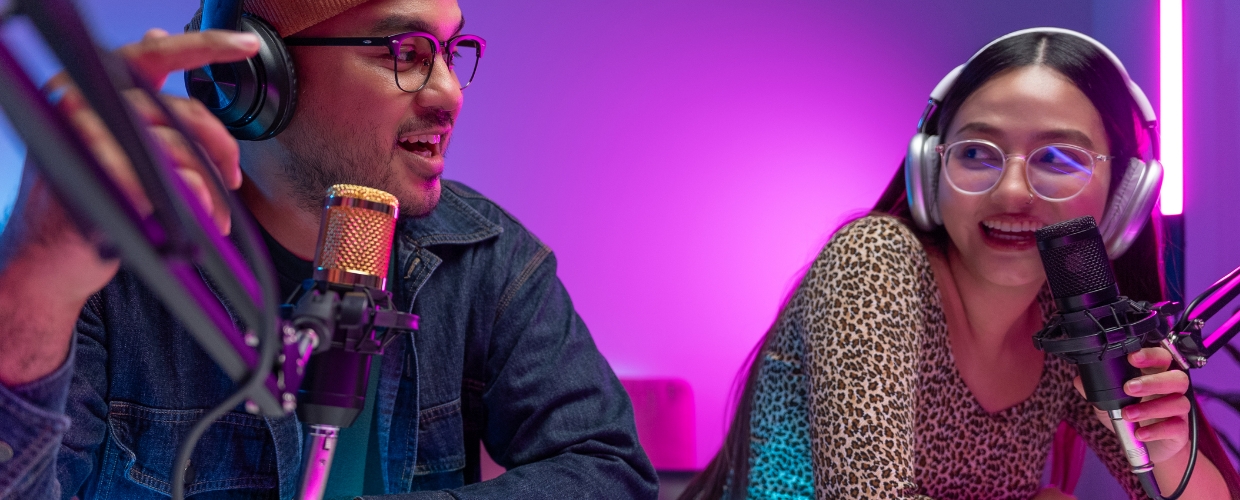

The media landscape is undergoing one of its most dramatic shifts in decades, and brands that want to stay relevant will need to expand their strategies beyond traditional newsrooms and broadcast channels. As legacy outlets like The New York Times or The Wall Street Journal face continued volatility, shrinking staff, and constant reshuffling, nontraditional media channels are stepping into a powerful new role into 2026.
These emerging platforms, podcasts, Substacks, niche newsletters, micro-communities, creators-turned-reporters, and even Reddit threads, are no longer secondary. They are where audiences live, where news often breaks first, and where trust is being rebuilt from the ground up.
What Counts as “Non-traditional Media” and Why It Matters Now
Legacy media has always been defined by the written word, established mastheads, familiar bylines, and traditional editorial structures. Non-traditional media, by contrast, is built from the bottom up. These channels often emerge organically from a creator or reporter’s community, growing because audiences choose them, not because a newsroom assigns them a beat.
As newsrooms continue to contract, more journalists are branching out on their own in search of stability and their audiences follow. Increasingly, there has been a trend of reporters breaking stories first on Substack or independent feeds, with legacy outlets scrambling to catch up. For brands, this shift is critical. Decision-makers are reading and trusting these non-traditional channels daily.
Why Brands Cannot Afford to Ignore These Channels
Every brand’s media strategy is unique, but most share the same goal: show up where audiences already spend their time. Today, that means participating in far more fragmented information ecosystems.
Audiences do not necessarily want to pay for traditional news anymore, but they will pay to read or listen to a reporter they trust. These trusted figures create a sense of being “in the know” and offer a level of intimacy traditional outlets can struggle to match. When a brand appears in those spaces, whether through an interview, a product mention or a thought-leadership piece, it feels like an insider conversation.
Nearly every industry can benefit, but consumer packaged goods, most notably in the food industry, are experiencing a particular renaissance. Independent food reporters and creators such as Spork are becoming influencers in their own right, shaping trends and coverage faster than legacy food desks can.
The Growing Power of Podcasts in 2026
- Parasocial relationships create trust. When listeners like a host, they are more likely to trust the brands they bring on, harnessing an appeal that can build organic recommendations.
- Podcasts are now multi-format. With platforms like TikTok and Netflix investing in podcasting, shows now reach audiences through both audio and visual mediums.
- They offer room to breathe. Unlike a written interview, where a quote can be cut or reshaped, podcasts allow for free-flowing conversations. This puts media training at a premium. Teams must be ready to be clear, concise, and on-brand in real time.
What Makes a Brand Podcast Work in 2026
- Production value matters. Map out your structure, cadence, and format before recording episode one.
- Media training is essential. Guests must know how to represent the brand in ways that do not require heavy editing.
- Choose shows strategically. A huge name does not guarantee the right audience. Listeners often care more about the theme of a show than the guests who appear.
- Think like media. Just like reporters have beats, podcasts have niches. Show up on the ones that match your audience best.
The Convergence of Podcasts, Newsletters, and Social Video
Non-traditional outlets are evolving into full media ecosystems. Consider Substack. Publications like Feed Me or Business & Life are launching podcasts, video series, and community events. These channels are building mini-empires that brands can participate in or even create themselves.
This convergence is giving brands more control, more creative freedom, and more authentic ways to reach niche audiences.
Navigating Reddit and Online Communities Without Missteps
Reddit remains one of the most influential but misunderstood nontraditional platform. It is a space with its own culture, a “language” that brands must learn.
A few rules:
- Do not force it. If your audience does not exist within a particular subreddit, you do not need to be there.
- Stay specific. Broad, generic threads are not the place for branded engagement. A hyper-specific subreddit relevant to your brand is a better fit.
- Be transparent. Employees who identify themselves honestly tend to fare better.
- Never show up just to sell. People in niche communities want problem-solving, clarity, or advice, not just slogans and sales.
Done right, Reddit can create authentic brand advocates. Done poorly, it can create dogpiles that escalate quickly as Reddit’s content is primarily sourced from online participants, creating a dynamic, informative, and ever-developing community.
What Performs Best on Reddit and How It Can Improve Your Strategy
- It solves a problem.
- It offers insider knowledge.
- It feels genuinely helpful or experiential.
These insights can guide broader content strategy, helping teams understand where consumer pain points lie and what messaging actually resonates.
Why Substack Coverage Matters for Brands
- Higher conversion and engagement potential
- Access to loyal, niche communities
- A modern form of credibility that feels fresh and less corporate
Substack continues to surge because it is personal, community-driven, and highly trusted. Open rates often exceed those of traditional newsletters, and readers subscribe intentionally, meaning they want more of that specific content.
How Non-traditional Media Complements Traditional Media
Non-traditional channels will not replace legacy publications. They will deepen and extend their reach. A feature in a major outlet builds authority. Coverage in a niche Substack builds connection. Podcasts build trust. Reddit builds authenticity.
The most effective 2026 media strategies treat these channels as interconnected, not competing.
Measuring Success, The KPIs for Nontraditional Media in 2026
- Number of subscribers
- Engagement rates such as comments, shares, and conversation threads
- Open rates for newsletters
- Community sentiment
- Referral traffic from niche platforms
These indicators often tell a richer story than traditional impressions or reach.
Balancing Experimentation with Optimization
Marketers should experiment, but strategically. Start by strengthening your presence on the non-traditional platforms where your audience already engages. Then allocate a portion of your budget to emerging channels that show early momentum. Brands that thrive in 2026 will be the ones unafraid to chart new territory, whether through testing early, pivoting with precision, and investing in the channels that spark real connection. The next wave is already building; now’s the moment to catch it. We’re here to help.

senior vice president